A Colmar Wine Tasting, Glass by Glass
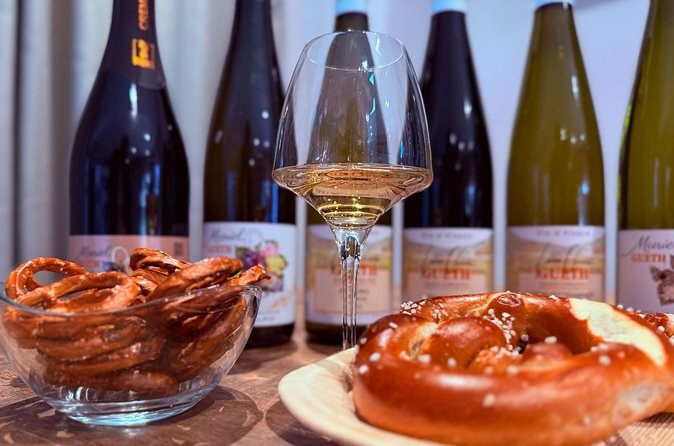
The short answer. An Alsace cellar tasting is mostly white wine, poured one glass at a time by the people who make it. You usually start light and dry and finish on the richer, more aromatic wines. You can spit, you can ask anything, and you can buy at the door. On most tours from Colmar the tasting is already in your fare; on a few you pay at the counter.
What a cellar tasting here looks like
You stand at a counter or sit at a table in a working winery. Somebody from the estate pours a small measure, tells you what it is, and waits for your questions. Then the next bottle comes out. It is closer to a conversation than a lecture, and it runs at your pace. Weighing up which day pours the most? Every wine tasting tour Colmar is compared by what it pours.
How much you are poured depends on the day you book. Domaine Gueth pours seven organic wines in an hour. The Ophorus half day visits two wineries with a tasting at each; the full day visits three. One ICONICS traveller counted six wines at the family winery on their afternoon. The Emblematic gives its cellar a full 70 minutes.
| Day | Where you taste | In the fare? |
|---|---|---|
| Domaine Gueth, one hour | Seven organic wines at one estate | Yes |
| ICONICS half day | One winery, the last hour | Yes |
| Ophorus half day | Two wineries | Yes |
| Ophorus full day | Three wineries | Yes |
| The Emblematic | One cellar, 70 minutes | Yes |
| 4 Wonders small group | A wine cave on the route | No, you pay there |
| Ophorus villages half day | No tasting in the day | Fees extra |
The glasses, in the order they usually come
Alsace is a white-wine region above all: nine bottles in ten under the Alsace appellation are white. Most cellars pour from the lightest and driest to the fullest and most aromatic, so each glass does not flatten the next. The grower decides, though, and some start with what they are proudest of.
The sparkling, if the estate makes one
Crémant d'Alsace is one of the region's three appellations, and it is sparkling wine. Where a cellar makes one, it often opens with it. None of the tours from Colmar names Crémant in its fare, so treat it as a bonus rather than a promise.
The dry whites
Next come the crisp, dry whites. Riesling is the name you are most likely to hear, and it is one of the four grapes generally allowed in an Alsace Grand Cru. Ask where the vines grow. The answer is often a hillside with a name, and the name matters.
The fuller whites
Pinot Gris and Muscat usually sit in the middle. Both are also grand cru grapes. The 4 Wonders day lists Pinot Gris among the wines you may sample at its cave. One traveller on the private three-hour run said simply: try the Muscat.
The aromatic finish
Gewurztraminer tends to come last, because its scent would overwhelm anything poured after it. It is the fourth grand cru grape. If the grower pours a sweeter late wine, it closes the tasting.
The grapes, the three appellations and the 51 grands crus are set out in full on the Alsace wines page, so you can read up the night before.
How long a tasting takes
Time at the counter varies more than the number of glasses. Domaine Gueth gives you a full hour, with the cellar tour inside it. The ICONICS half day spends its last hour at the winery, and the Emblematic gives its cellar 70 minutes. On the Ophorus full day you taste three times, so each visit is shorter, and the day is paced round them. You are never rushed out, but you are on a schedule: if you want to buy, decide before the last glass, not after the van is waiting.
What to ask the grower
Growers here like questions, and a good one changes what you get poured. Try these:
- Which vineyard is this from? Domaine Gueth builds its tasting round single-vineyard wines and asks you to compare two terroirs side by side.
- Is this a grand cru? There are 51, each its own appellation since 2011, and together they make about 4% of Alsace wine.
- Dry or sweet? The label does not always tell you. The grower will.
- What would you eat with it? The answer is often local, and useful at dinner.
- Can I buy this here? Cellar-door prices are usually the reason to ask.
Spitting, sipping and the drive home
You are allowed to spit, and nobody minds. There is usually a bucket on the counter. Spitting lets you taste every glass on a three-winery day and still enjoy the third cellar. On a tour, nobody in your party has to stay sober to drive, which is the reason most people book one.
Under 18? Domaine Gueth pours organic grape juice free to under-18s, and the Ophorus wine days take adults only. The age rules for every day are in the visitor guide.
Buying at the cellar door, and getting it home
Most cellars sell what they pour, and many visitors leave with a bottle or a case. Domaine Gueth sells on site or delivers to your home. Elsewhere, ask the estate whether it ships to your country before you buy more than you can carry.
On a shared day the van has limited space, so a case may not fit comfortably. A few bottles will. If you are flying home, check your airline's rules on liquids and hold luggage before you buy.
Which tasting suits you
If you want depth at one estate, take Domaine Gueth's hour: seven wines and a grower's explanation, for $19. If you want comparison, take the Ophorus full day, where three different families pour and you taste the difference. If you want wine and villages in one afternoon, the ICONICS half day puts a tasting at the end of walks through Hunawihr and Riquewihr. The facts behind all of it are gathered in our Colmar wine facts.
Days that pour the most
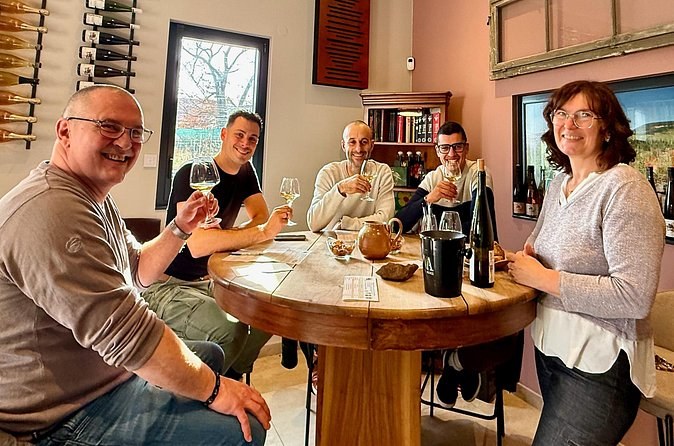
Cellar tour & tasting of organic wines with a feminine touch
One hour in a family cellar at Gueberschwihr and seven organic wines; you get there yourself, by car or by bus.
From $19 per person
Check Availability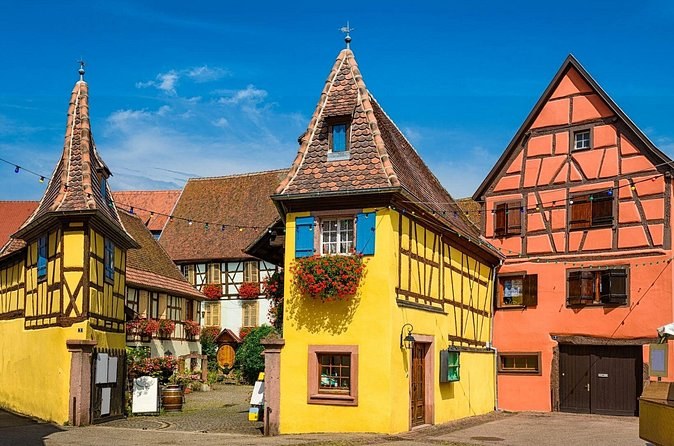
Alsace Full Day Wine Tour from Colmar
Three winery tastings in three villages, time for lunch in one, eight seats, adults only, from the CGR cinema at 9:30am.
From $187 per person
Check Availability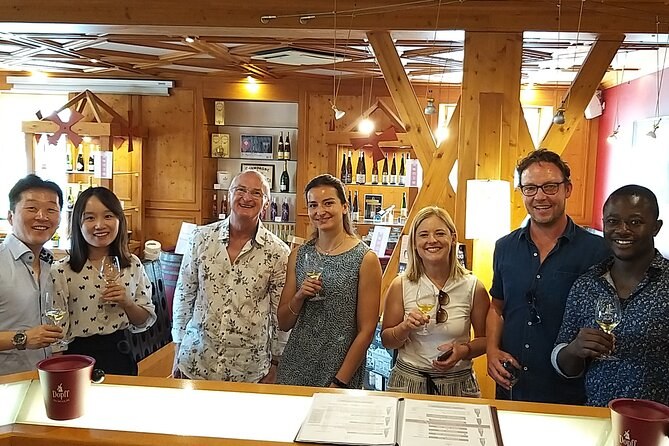
Alsace wine tour and medieval villages. Small group guided tour
Six hours from Basel, Colmar or Breisach, four villages and family-winery tastings, sold for two or more.
From $341 per person
Check AvailabilityNext: Pick up eleven things most visitors never hear in the Colmar wine facts. Every fare sits side by side on Colmar Wine Tours.